Experiential & Nature-Based Therapeutic Mentorship

The Experiential & Nature-Based Therapeutic Mentorship Program (ENTM) provides an accessible opportunity for teens to engage in experiential therapy or mentorship on an individualized, one-on-one basis. ENTM is a new independent branch of the Wild Youth Passages program, funded by the Strong Futures Initiative.
What is this program?

Through ENTM, Wild Youth Passages provides FREE individual 2-3 hour long nature and adventure-based therapy or therapeutic mentorship sessions for youth ages 11–19. This can serve as additional mentorship support for youth who have therapists already, or serve as nature-based individual therapy for youth where this is an appropriate fit. ENTM sessions include pick-up, an experiential or adventure-based therapeutic activity, and drop off with brief parent feedback. Throughout their time together, the clinician or therapeutic mentor will weave in applicable therapeutic skills and concepts, such as DBT, CBT, horticultural therapy, ecotherapy, somatic work, nature-based art therapy, nervous system regulation, communication skills, healthy relationships, social skills, coping skills, mindfulness skills, healthy boundaries, goal-setting, and vocational/school support.
Participants of this program are eligible for vocational and college counseling services with an experienced and skilled vocational and college counselor. For more information about our college counseling affiliate, please visit: www.ndscollegeconsulting.com/.
Parents of youth in this program are eligible to attend optional parent support offerings, such as one-on-one parenting sessions and parent support group classes. These offerings include tailored psychoeducation and clinical guidance on how to foster a healthy and supportive relationship with your child, regardless of the challenges they experience.
Teens who graduate from this program become a part of the alumni program, allowing them continued access to mentorship and support as needed throughout young adult years, as well as yearly programmatic events which serves as a reconnection to staff, other healthy teens, therapeutic content, and opportunities for reflection and reconnection to their highest selves.
Those who choose to become peer mentors after graduation can experience the benefits of altruism while integrating therapeutic content and values more deeply.
What kind of opportunities and activities do youth participants engage in?
Experiential interventions can include:
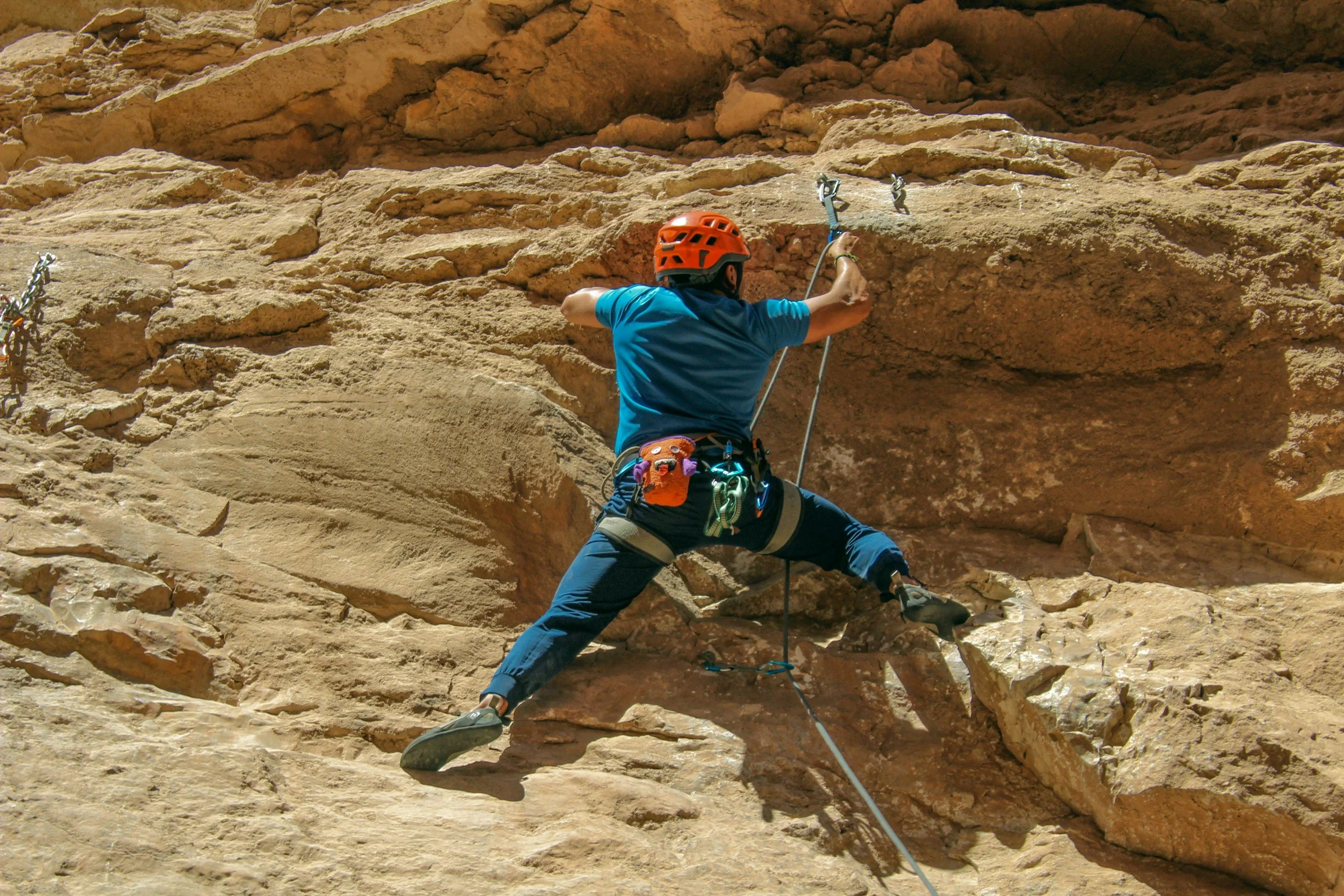
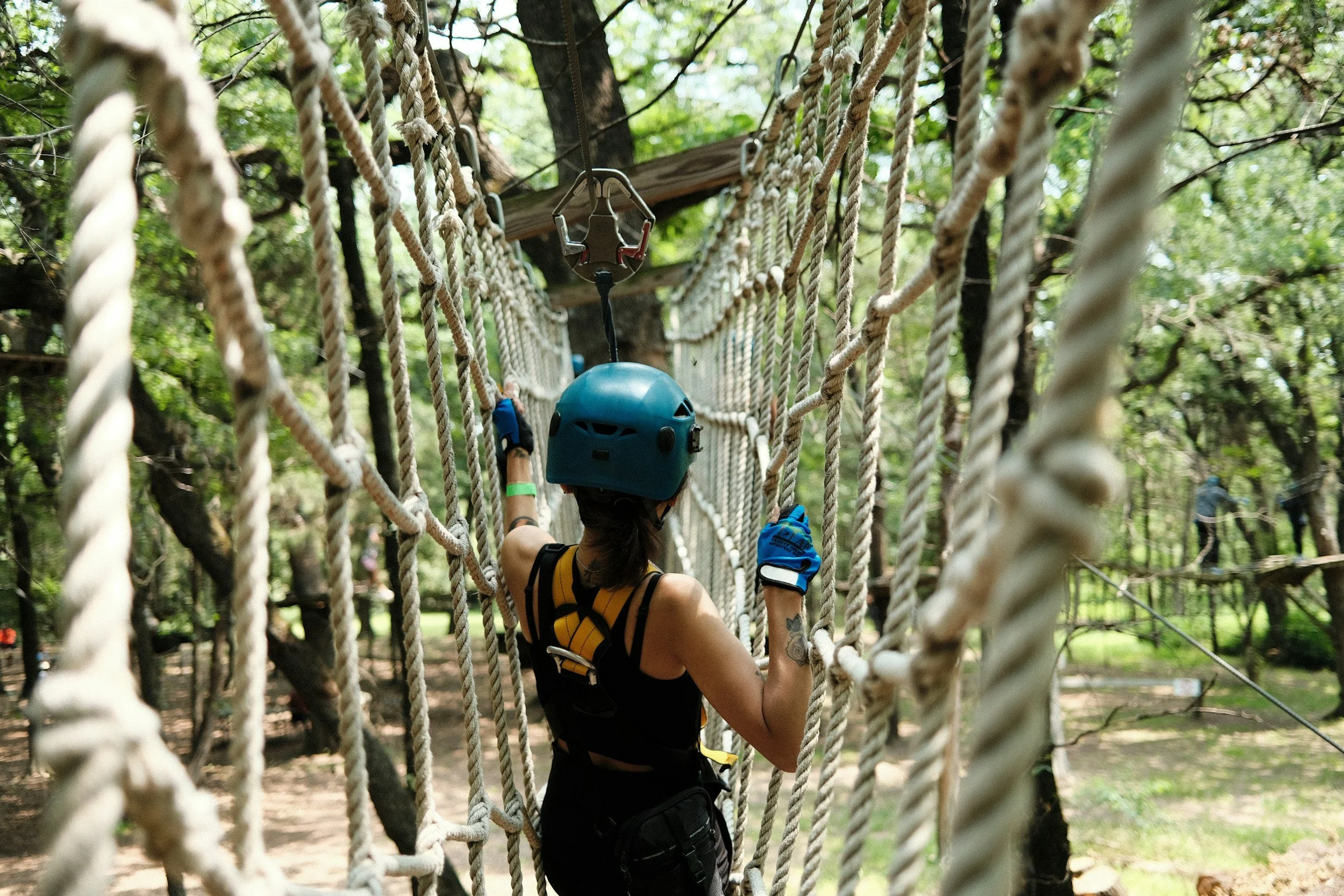
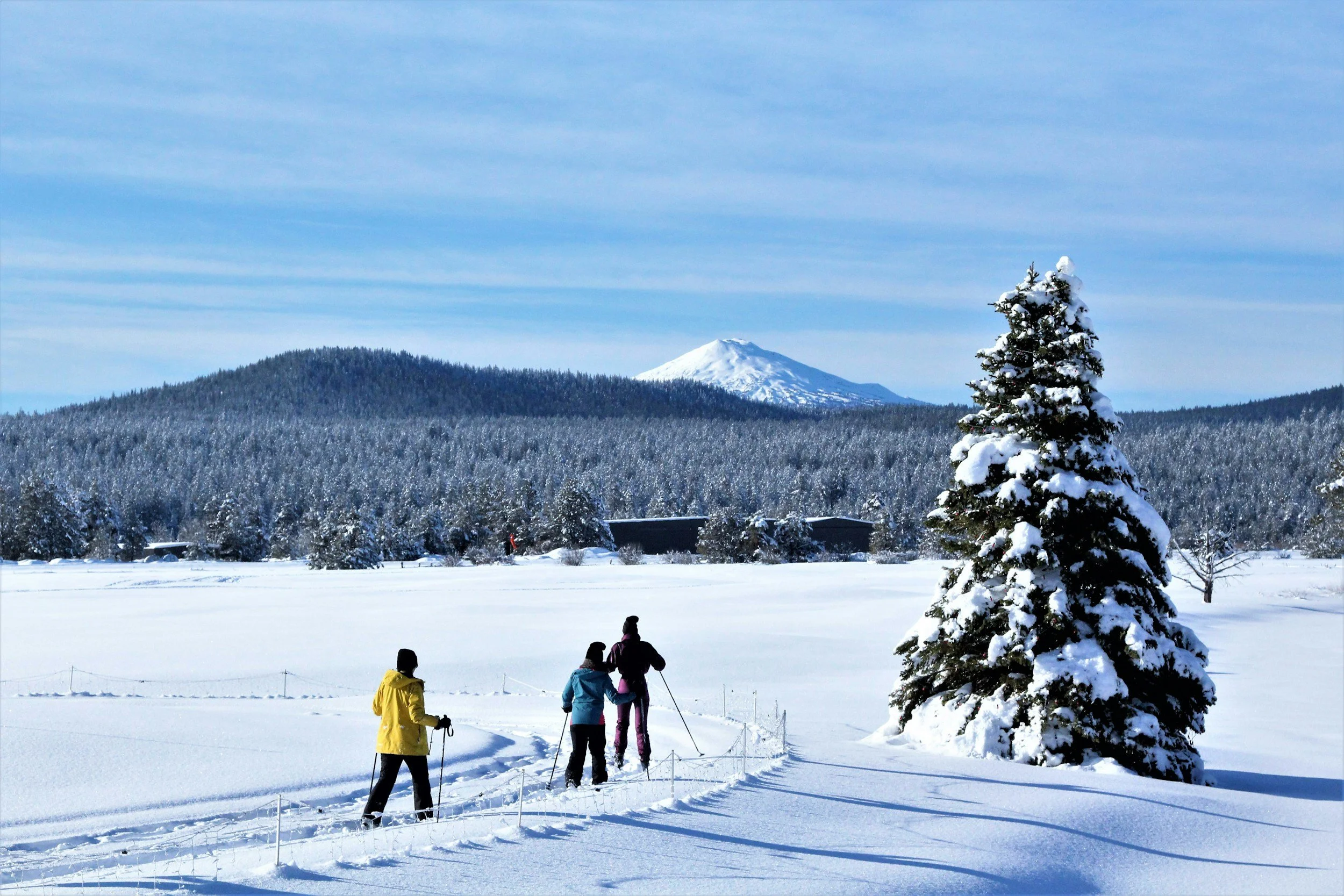
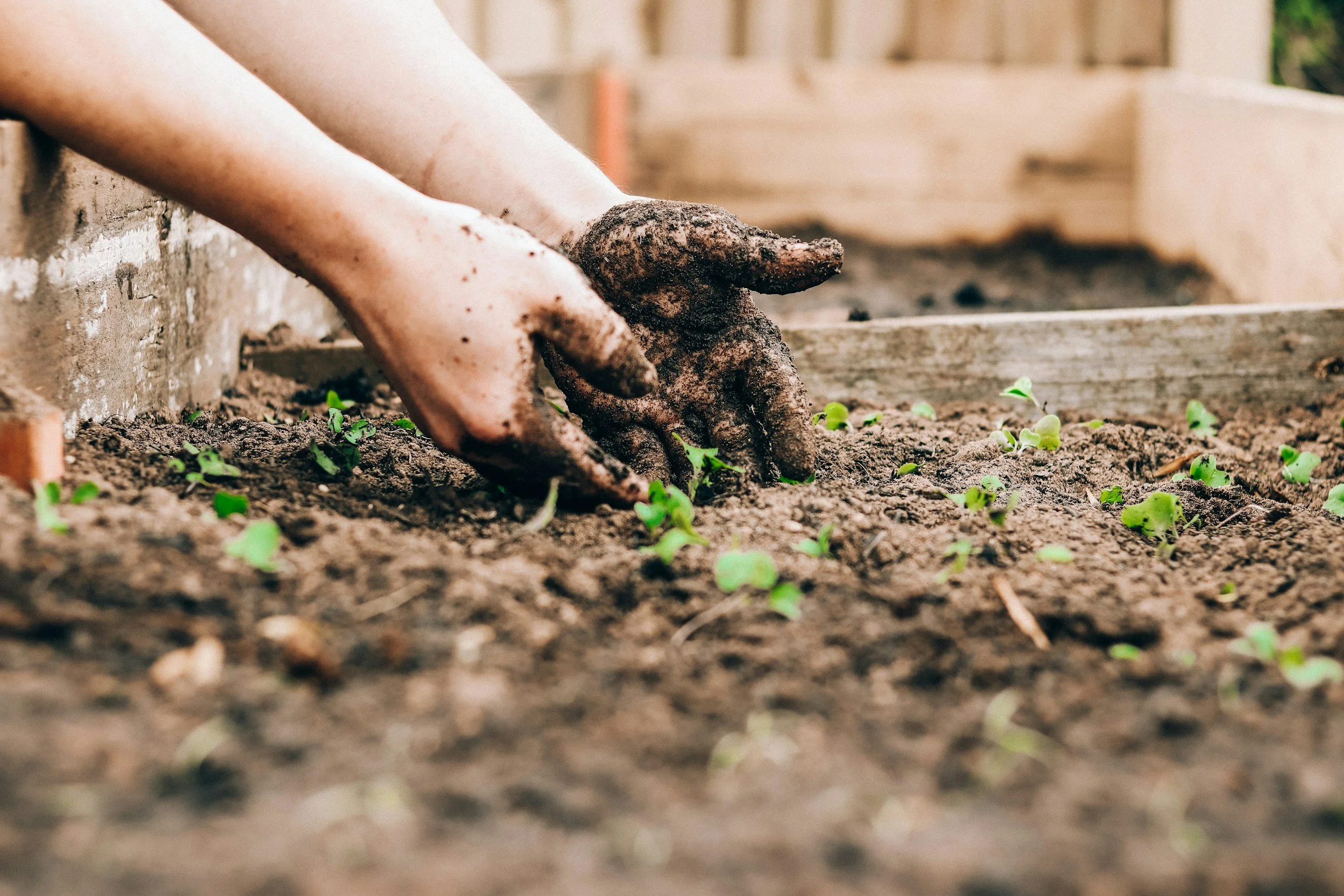
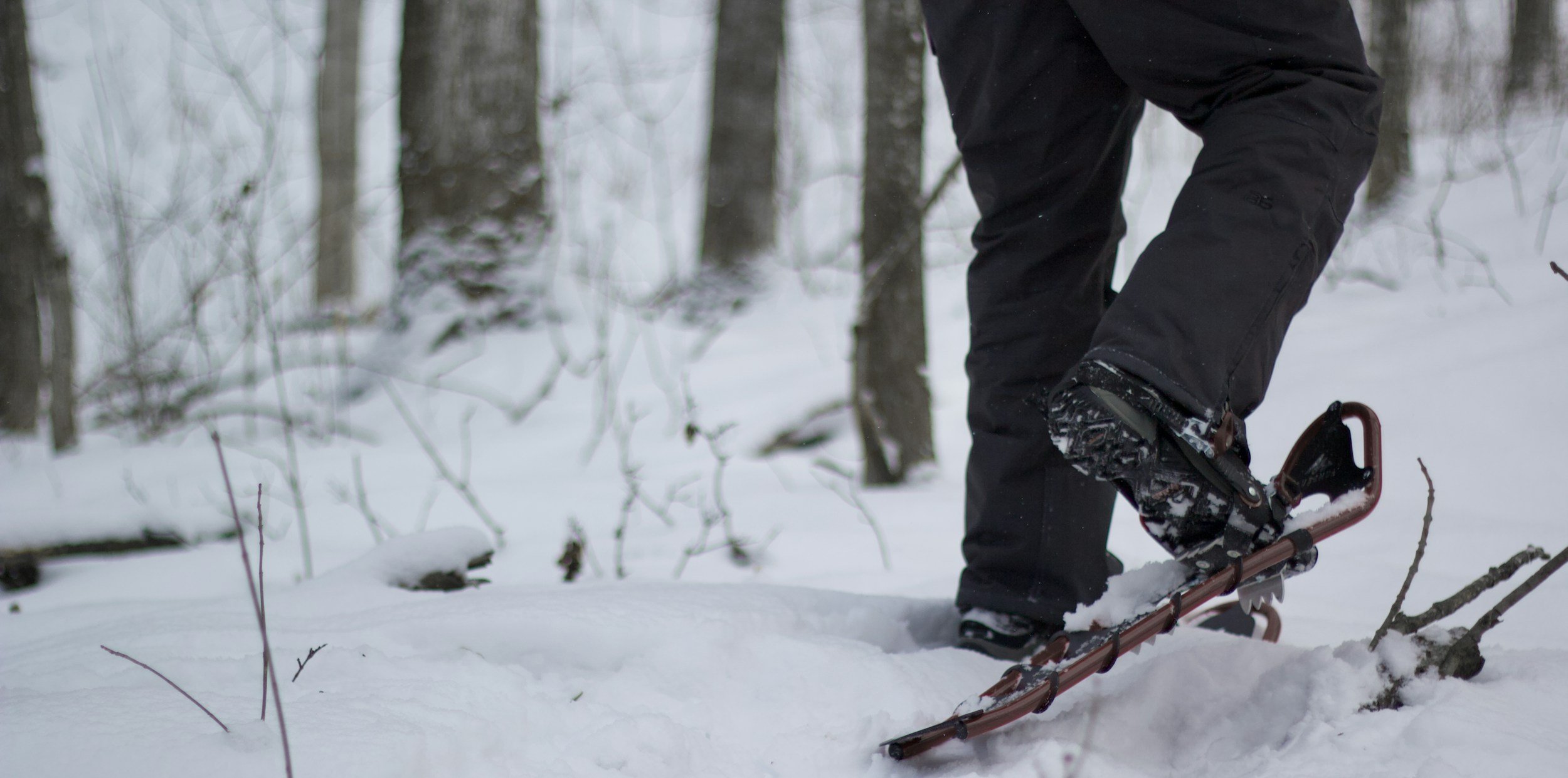
Recreational activities such as nature walks, gardening, cooking, hiking, Lake Dillon beach walks, kayaking, rock climbing, skating, snowshoeing, mountain biking, animal tracking, high ropes course elements, cross country skiing, and map & compass practice.
Arts-based activities such as printmaking, painting, clay/pottery, collage, oil pastels, creative writing, flowering pressing, jewelry making, and sewing.
Wildcrafting, foraging, and nature exploration.
Therapeutic craft-making activities such as candles, teas, and body-care items (including salves, herbal mixtures, and aromatherapy).
Animal interactions in the form of equine therapy and rescue animal socialization at the local shelter.
Community service opportunities connected to youth interests-such as art installations, social change projects, etc
Life-skills development through cooking, growing vegetables and herbs, nutrition education, meal & budget planning, resume-building, interview practice, college application support.
Support meeting basic needs as necessary & help with the navigation of social systems, such as transportation, food banks, school systems, financial/basic needs support access, and specialized resources for youth. Upon request, WYP staff are able to serve as additional advocates for teens navigating complex systems and situations.
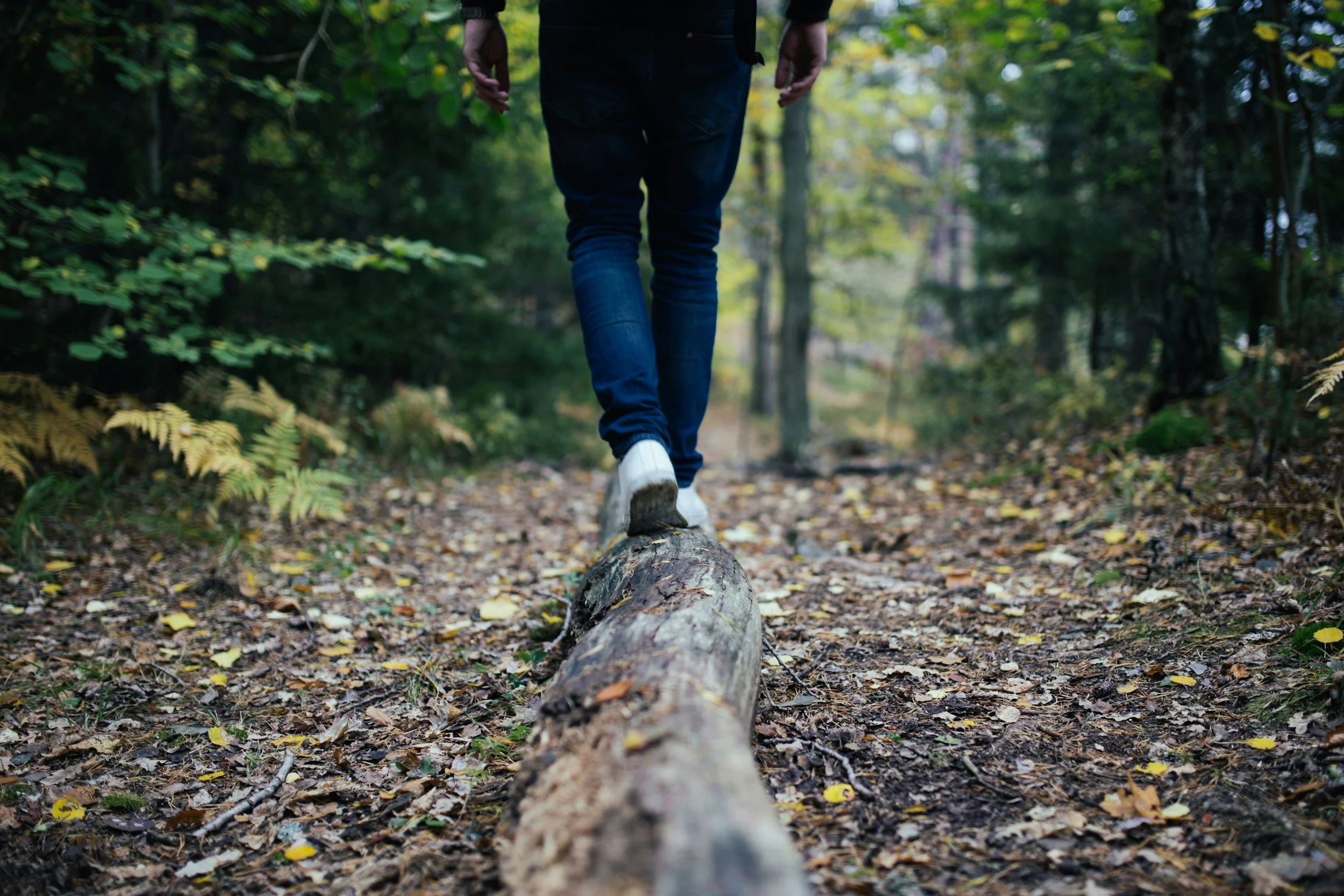
Experiential activities and overall individual sessions incorporate elements of evidence-based, clinical approaches depending on the specific needs and treatment plan for each participant, such as:
Dialectical-Behavioral Therapy: including topics and skills such as mindfulness, communication/relationship skills, and distress tolerance.
Cognitive-Behavioral Therapy
Motivational Interviewing
Narrative Therapy
Mindfulness/Stress Reduction Skills & Practices
Ecotherapy and Horticultural Therapy
Skill building related to boundary-setting, emotional literacy, healthy relationships, conflict navigation, communication skills, coping skills, self esteem, self-love, and expression.
Trauma-informed counseling and exploration of lived experiences including complex trauma and grief.
Optional AcuWellness (ear acupuncture for wellness)
Youth will also have opportunities for educational and vocational guidance in the form of college counseling, supported career exploration and job applications
All activities and interventions will be responsive to family and youth needs, interests, and individualized treatment plans.
Care that follows them through young adulthood
All participants receive ongoing alumni access to the program, which includes leadership development, yearly alumni therapeutic programming, life skills development, college and vocational counseling, the ability to become a peer mentor/resume building, and continued one-on-one therapeutic support until no longer needed.
Who is a good fit?
Youth (ages 11-19) who prefer or would be more likely to thrive through personalized, one-on-one services versus group therapy.
Youth who could benefit from a deep, heartfelt relationship with a trained clinician.
Youth who may struggle with talk therapy in an indoor setting but can connect more easily while moving their bodies, being outside, or do well inside engaging in an experiential activity (like art, cooking, etc.) while talking.
Youth who may need a mentor or strong advocate in their life, or additional support beyond their existing individual therapist. This is a professional who believes in them and will be in their corner as an advocate, thinking about all aspects of their life. Participants can keep their existing therapist as their primary support, while this program can serve as additional mentorship support.
What is the cost?
This program is free for residents of Summit County, individuals who attend school in Summit County, or whose parent/legal guardian lives or works in Summit County, thanks to the Strong Future Initiative. More information about this initiative can be found here: https://buildinghopesummit.org/strong-future-initiative/.